How Dental Crowns Southgate CA Help Rebuild Damaged Enamel
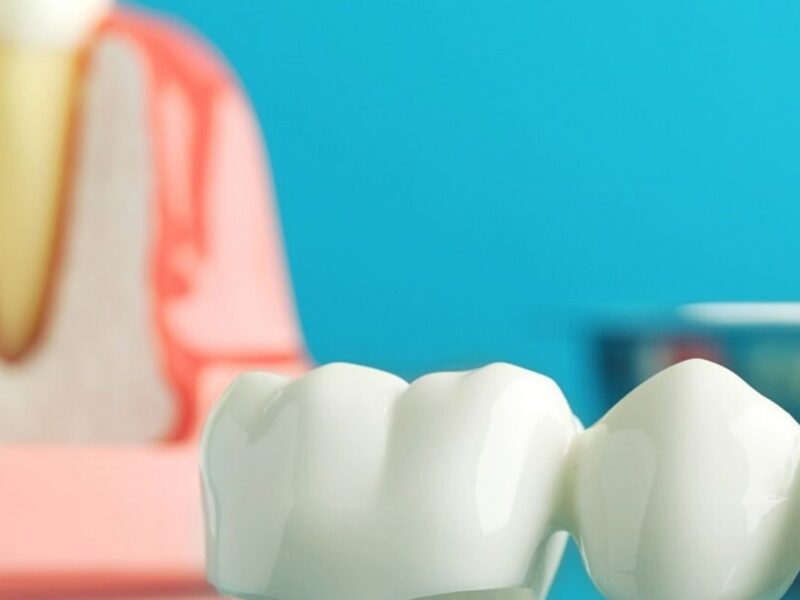
Enamel is remarkably strong, but it is not indestructible. Once it wears away, chips, cracks, or softens from acid exposure and decay, the body cannot grow it back. That is the frustrating reality behind so many dental visits. A patient may feel a sharp edge with their tongue, notice a tooth turning darker, or wince every time cold water hits one side of the mouth. By the time those Dental Crowns Southgate CA symptoms appear, the enamel has often lost enough structure that simple polishing or fluoride alone will not solve the problem.
That is where crowns come into the picture. A crown does not regenerate enamel in the biological sense, but it rebuilds what the tooth has lost in a practical, durable way. It covers and reinforces the damaged area, restores the shape of the tooth, and protects the vulnerable inner layers from further breakdown. In day-to-day dentistry, that is often the difference between keeping a tooth for many more years and watching it deteriorate until extraction becomes the only option.
For patients searching for Dental Crowns Southgate CA, the real value of treatment is not cosmetic alone. A well-made crown can restore comfortable chewing, reduce sensitivity, help prevent fractures, and bring a tooth back into function after significant enamel loss. The best results come from understanding what a crown actually does, when it is the right solution, and how the process works from diagnosis to long-term care.
What damaged enamel really looks like in practice
People often imagine enamel damage as a dramatic broken tooth, but most cases are quieter than that. A small crack line near the biting edge, a flattened chewing surface from grinding, or a molar with a large old filling that has begun to leak can all signal the same problem. The enamel is no longer doing its job well enough.
In a clinical setting, enamel damage tends to fall into a few broad patterns. One is decay, where bacteria and acid dissolve the hard surface. Another is mechanical wear, usually from clenching or grinding. A third is chemical erosion, often linked to acidic drinks, reflux, or frequent vomiting. Then there is trauma, which can chip or fracture a tooth in an instant. Many adults have a combination of these factors rather than a single cause.
Once enamel is compromised, the tooth becomes more vulnerable. Dentin, the layer under the enamel, is softer and more sensitive. It can wear faster, transmit temperature more readily, and break down under chewing forces that healthy enamel would normally withstand. That is why a tooth with moderate enamel loss may suddenly become a source of pain even if it looked manageable a year earlier.
I have seen patients dismiss a cracked cusp for months because it only hurt when they chewed nuts or crusty bread. Then one morning the tooth split further and they could no longer chew on that side at all. In many of those cases, a crown placed earlier would have stabilized the tooth before the damage spread.
Why a filling is not always enough
Fillings are excellent for small to moderate defects, especially when the remaining tooth walls are strong. But there is a tipping point where a filling becomes less of a repair and more of a patch in a structurally weak shell. The larger the restoration, the less natural tooth remains to support it.
This matters most in back teeth. Molars take heavy pressure every day, often several hundred pounds of force in people who clench or grind. If enamel loss has left a tooth thin, cracked, or heavily filled, placing another large filling may restore the hole but not the strength. Under pressure, the remaining tooth can flex and eventually fracture.
A crown solves that problem differently. Instead of filling a defect inside a weakened tooth, it covers the visible portion of the tooth and binds the whole structure together. Think of it less as plugging a gap and more as giving the tooth a new outer shell. That shell is designed to take on biting forces while protecting what remains underneath.
For some patients, the difference is obvious. They stop feeling that sharp twinge when chewing on one side. Food no longer packs into fractured grooves. The tooth feels solid again rather than unreliable.
How a crown rebuilds lost enamel
A crown replaces the missing protective function of enamel in several ways at once. First, it covers exposed or weakened surfaces. Second, it restores proper contours so the tooth meets opposing teeth as it should. Third, it redistributes pressure across the tooth, reducing the risk that thin enamel walls or cracks will keep spreading.
This is especially useful when enamel loss is broad rather than isolated. A patient may have a tooth that is not just decayed in one spot, but generally worn down, flattened, sensitive, and structurally compromised. In that case, a crown can restore the overall architecture of the tooth, including height, shape, and chewing anatomy.
Modern crowns are commonly made from porcelain, ceramic, metal alloys, or combinations of materials. The choice depends on location, function, bite forces, appearance goals, and how much tooth remains. Front teeth often call for highly aesthetic ceramics, while back teeth may benefit from materials selected for strength as much as appearance. There is judgment involved here. The prettiest material is not always the best one for a patient who grinds heavily, and the strongest-looking option may not be ideal if the tooth sits in a highly visible smile zone.
When people ask whether a crown is “basically a cap,” the short answer is yes, but that undersells the precision involved. A good crown is shaped to fit the prepared tooth exactly, sealed along the margins to reduce leakage, and adjusted so the bite feels natural rather than bulky or high. Done well, it should look and function like a stable part of the mouth, not like an obvious repair.
Situations where crowns make the most sense
Not every damaged tooth needs a crown, but certain patterns strongly point in that direction. Deep decay is one. Another is a tooth with a large failing filling and very little healthy enamel left around it. Root canal treated teeth are also common candidates because they can become more brittle over time, especially if much of the original crown portion has already been lost.
Cracked teeth are another major category. Some cracks remain superficial and harmless, but others create pain with biting or temperature changes. If the crack is limited and the tooth can still be predictably restored, a crown often helps hold the structure together and reduce flexing during function. It is not a magic fix for every crack, especially if the fracture extends too far below the gum line, but it can make a significant difference in the right case.
Severe wear from grinding deserves special mention. These patients may not have “cavities” in the usual sense, but their enamel can be thinned down enough that the teeth shorten, flatten, and become sensitive. A carefully planned crown can rebuild the lost structure and restore function, often as part of a broader bite management plan.
Here are some of the most common reasons a dentist may recommend a crown:
- A tooth has extensive decay and not enough strong enamel remains for a dependable filling.
- A large filling has failed and the tooth walls are thin or cracked.
- A tooth has undergone root canal treatment and needs reinforcement.
- Enamel has been worn down by grinding, acid erosion, or long-term use.
- A fracture or chip has weakened the tooth beyond what bonding alone can safely manage.
The treatment process, from first exam to final fit
For patients considering Dental Crowns Southgate CA, one of the biggest concerns is usually the process itself. Most want to know whether it is painful, how many visits it takes, and how disruptive it will be. In straightforward cases, the process is quite manageable and follows a predictable sequence.
The first step is diagnosis. That includes an exam, X-rays, and a close look at the amount of remaining tooth structure. Dentists are not only asking whether a crown can fit, but whether the underlying tooth is healthy enough to support one. If decay extends deep toward the nerve, or if a crack runs in an unfavorable direction, the treatment plan may need to change.
Once a tooth is confirmed as restorable, it is shaped to make room for the crown material. This step is done under local anesthesia, and most patients tolerate it very well. The amount of reduction depends on the material being used and the condition of the tooth. If a lot of structure is missing, the dentist may first build up the core of the tooth so the crown has a stable foundation.
After shaping, the office takes an impression or digital scan. This record is used to fabricate the final crown. A temporary crown is usually placed while the permanent one is being made. Temporaries matter more than patients often realize. They protect the tooth, maintain spacing, and give some preview of shape and bite.
At the delivery visit, the temporary is removed and the permanent crown is checked from every angle that matters. The fit at the margin has to be precise. The contact with neighboring teeth should be snug but not excessive. The bite has to feel balanced. If the crown looks good but hits too hard in one spot, that can lead to soreness or even fracture risk later. Fine adjustments are a normal part of doing the job properly.
When the crown is cemented and everything is dialed in, patients often describe a sense of relief more than excitement. A tooth that had felt fragile, sharp, or painful now feels stable again.
What crowns can and cannot do
A crown can rebuild function and protect a compromised tooth, but it is not a cure for every underlying issue. If enamel loss is being driven by nightly grinding, acid reflux, frequent soda use, or poor home care, those problems need attention too. Otherwise, the crown may survive while neighboring teeth continue to deteriorate, or the crowned tooth itself may develop problems at the margins.
It is also important to understand that a crown covers the tooth above the gum line. The root is still natural tooth structure. Gum recession, root decay, and periodontal disease can still affect a crowned tooth. A patient who believes the crown makes the tooth “invincible” can end up disappointed.
There are edge cases where a crown may not be the best first choice. Very small chips on front teeth can often be corrected with bonding. Early enamel softening may respond better to remineralization strategies and habit changes. If too little tooth remains above the gum line, the tooth may require additional procedures or may not be savable at all. Good dentistry is not about putting crowns on everything. It is about choosing them when they genuinely improve the outlook of the tooth.
The role of material choice
Patients are often surprised by how much material selection affects the final result. Crowns are not all the same, even if they look similar in conversation. The material has to suit the tooth, the bite, and the patient's habits.
All-ceramic crowns can look very natural and are often favored in visible areas. Zirconia crowns are popular because they combine strength with a fairly aesthetic appearance, making them common for back teeth and, in some cases, front teeth as well. Porcelain fused to metal crowns have a long history of reliable use, though some patients prefer metal-free options when appearance is a priority. Full metal crowns, while less common cosmetically, can still be excellent in certain back molars where durability and conservation of tooth structure matter most.
The “best” choice is rarely universal. A patient with heavy clenching, limited clearance, and a badly worn molar may do better with one material than with the highly translucent ceramic they saw online. This is one of those areas where chairside experience matters. Dentists learn quickly which materials behave well in ideal mouths and which hold up in real mouths, the ones with uneven bites, old restorations, and years of accumulated wear.
How long crowns last, realistically
Patients often ask for a number. They want to know whether a crown lasts five years, ten years, or forever. Forever is not a realistic promise. But many crowns last a decade or longer, and quite a few remain serviceable well beyond that. Longevity depends on several variables, including the amount of remaining tooth structure, oral hygiene, material choice, bite forces, gum health, and whether the patient grinds.
The crown itself may remain intact while the tooth around it develops decay at the margin. That is one of the most common reasons crowns fail. Another is fracture, either of the crown material or the underlying tooth. Cement washout, recurrent decay, and bite-related wear can also lead to replacement.
Patients who do best with crowns usually follow a few practical habits:
- Brush carefully along the gum line and floss around the crowned tooth every day.
- Avoid using teeth as tools for opening packaging or biting hard non-food objects.
- Wear a night guard if grinding or clenching is part of the picture.
- Keep routine dental visits so small margin problems are caught early.
- Address acid exposure from diet or reflux before it affects other teeth.
Sensitivity, comfort, and recovery
Most crown procedures are easier on patients than they expect. Some soreness in the gum area or mild temperature sensitivity can happen after the tooth is prepared, especially if the original tooth was already irritated. The temporary crown may feel slightly different from a natural tooth, and it is wise to avoid sticky foods that could pull it loose.
Once the final crown is placed, the bite may need a short adjustment period, but sharp pain or ongoing discomfort is not something patients should ignore. A crown that feels too high can make chewing unpleasant very quickly. Likewise, persistent sensitivity may indicate an issue with the bite, cement seal, or health of the nerve. Early follow-up usually prevents small annoyances from turning into larger problems.
One detail patients appreciate is that a properly done crown should not feel “foreign” for long. After the first few days, most stop noticing it altogether. That is usually the mark of good fit and careful occlusal adjustment.
Why local context matters in Southgate
Seeking Dental Crowns Southgate CA is not just about finding any office that offers the procedure. Local access matters because crowns often involve at least two appointments, possible follow-up adjustments, and ongoing maintenance. A dentist who understands the patient's history, bite pattern, and long-term goals can make better choices than someone treating the tooth as an isolated event.
Southgate patients, like many working adults and families, often balance treatment with tight schedules, commuting, and cost concerns. That affects decision-making. Some want the fastest route to relief because a cracked molar is keeping them from eating comfortably. Others are weighing whether to save a compromised tooth now or risk a more expensive problem later. Those are practical concerns, not vanity.
An experienced dentist will talk through the trade-offs honestly. If a tooth is restorable but has a guarded prognosis, the patient should hear that. If a crown offers a strong chance of preserving function for many years, that should be explained clearly too. Good treatment planning respects both biology and real life.
When not to wait
Teeth with damaged enamel tend to worsen, not stabilize, especially under daily chewing forces. That does not mean every chipped tooth is an emergency, but it does mean delay carries a cost. Small cracks get larger. Recurrent decay spreads beneath old restorations. A tooth that could have been saved with a crown may later require root canal therapy, crown lengthening, or extraction.
A common pattern goes like this: the patient has occasional sensitivity, adapts by chewing on the other side, and assumes it is manageable. Months later the tooth breaks while eating something ordinary, not because the food was extreme but because the structure had already been compromised. The treatment becomes more involved and more expensive than it needed to be.
Early evaluation gives options. It may confirm that a conservative repair is enough for now. Or it may show that the tooth is one fracture away from a much harder decision. Either way, knowing the condition of the enamel and supporting tooth structure is better than guessing.
Restoring more than the surface
When a crown succeeds, it does more than cover damage. It restores confidence in a tooth that had become unpredictable. Patients chew more normally, avoid fewer foods, and stop bracing for that sudden jolt of pain from cold drinks or pressure. In that sense, the procedure rebuilds quality of life as much as tooth anatomy.
Enamel cannot regenerate once it is gone, but function can be rebuilt with skill, planning, and the right material. That is the practical strength of modern crowns. For many patients dealing with decay, fractures, or advanced wear, they provide the most dependable way to protect what remains and return the tooth to daily use.
For anyone exploring Dental Crowns Southgate CA, the key question is not simply whether a crown can be placed. It is whether the tooth will benefit from full coverage now, while there is still enough healthy structure to save well. When the answer is yes, timely treatment can make the difference between preserving a natural tooth and losing ground that cannot be regained.
Simple Dental South Gate
Address: 8617 California Ave, South Gate, CA 90280
Phone number: +13236896118
FAQ About Dental Crowns Southgate CA
How much do crowns cost per tooth?
In the United States, a single dental crown typically costs between $800 and $2,500 per tooth without insurance. The ultimate out-of-pocket price depends heavily on the crown material, the location of the tooth, and whether you have dental insurance coverage.
What is the downside of crowns on teeth?
The primary downside of a dental crown is that the procedure permanently removes natural tooth enamel to shape the tooth for the cap.
Why do dentists push for crowns?
Dentists recommend crowns because a large filling cannot provide enough strength when a tooth loses a major portion of its structure or faces heavy chewing pressure.